
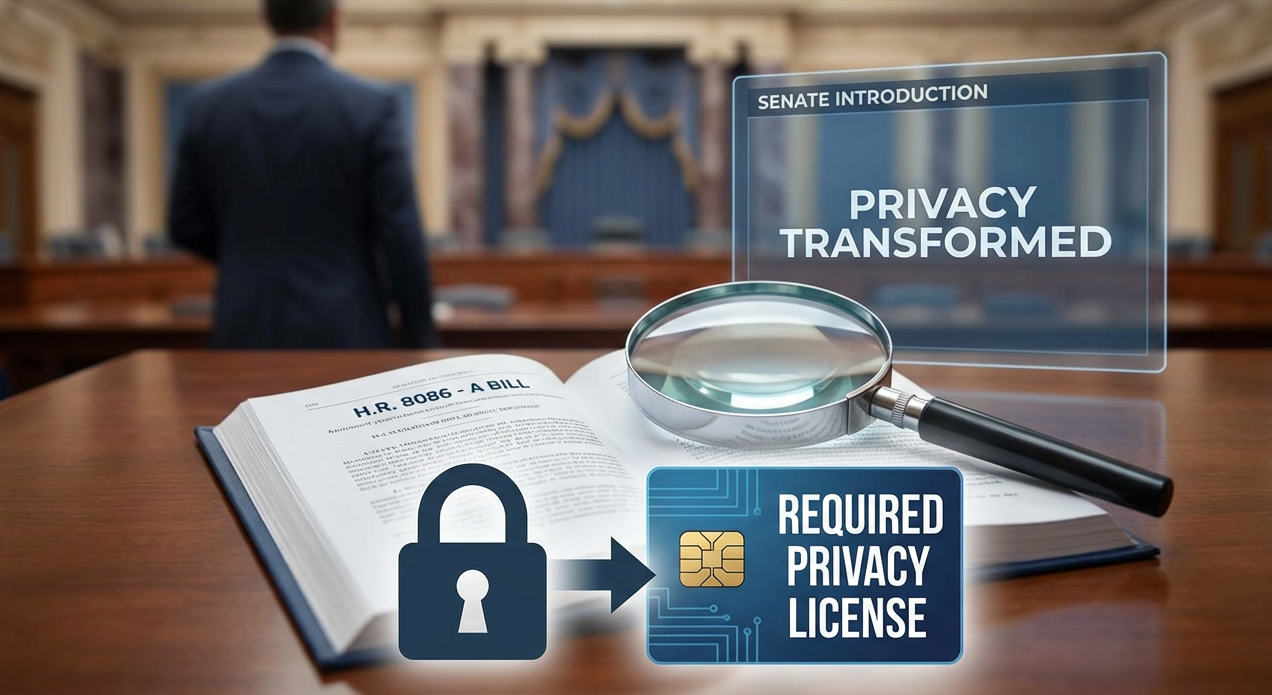
In a bold move that officials are calling “long overdue,” Congress has introduced H.R. 8086, a sweeping proposal to establish the Federal Agency of Privacy (F.A.P.). The bill aims to modernize the concept of personal privacy by bringing it under centralized oversight, ensuring that Americans who have nothing to hide can finally prove it – formally, repeatedly, and at scale. Lawmakers behind the bill argue that privacy, long treated as an informal right, has suffered from a lack of structure, accountability, and, most importantly, paperwork.
Under the proposed system, all non-felons seeking access to what the bill defines as “Selective Everyday Privacy” must apply for a License of Authority of Recreational Privacy (L.A.R.P.) through the official portal at privacy.gov.
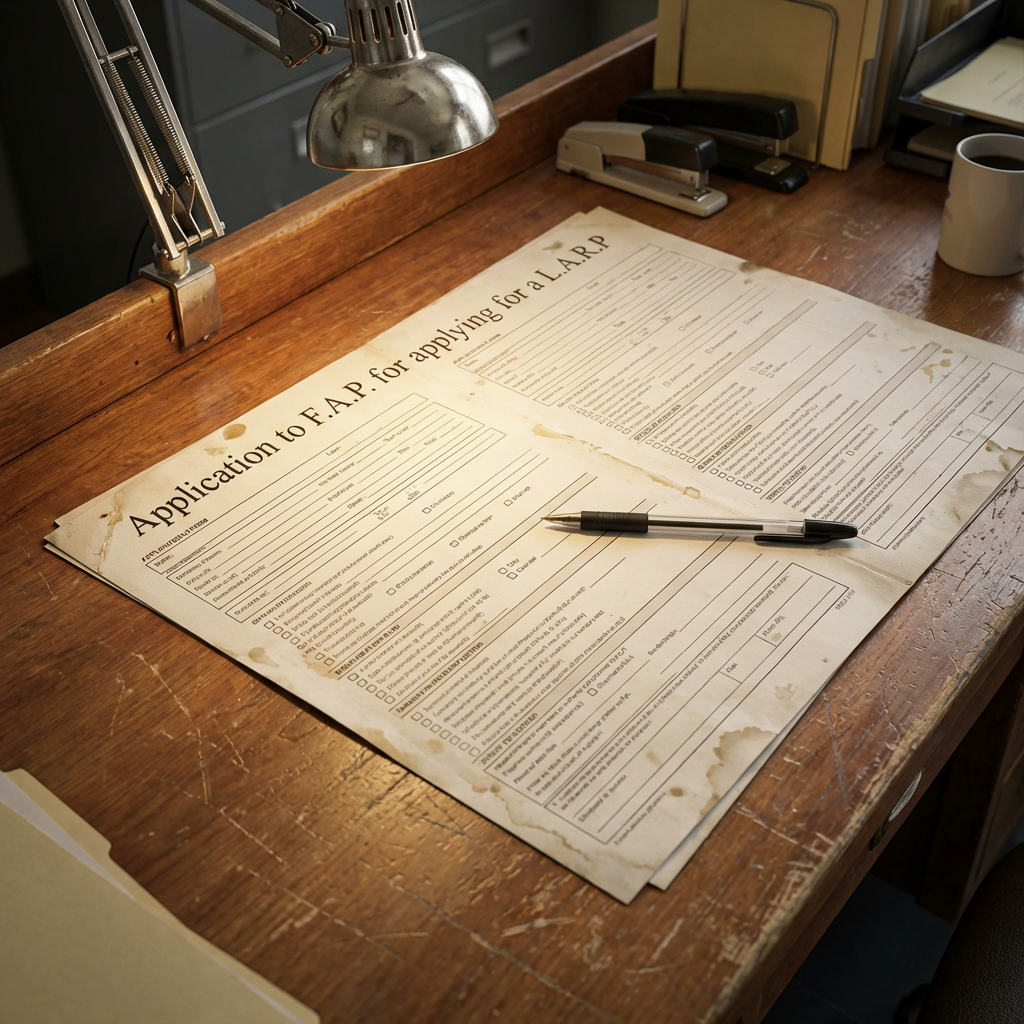
The application process consists of a concise seven-page form designed to assess both intent and character. Applicants will be asked a series of straightforward questions, including why they would need privacy if they are not committing crimes, what they hope to achieve with a L.A.R.P., and what deeply personal information they have never shared with anyone before but are now willing to disclose. The form also includes a nostalgic security question about one’s first pet, described by the agency as “a humanizing touch.”
Once submitted, applicants can expect a standard review period of three years, allowing the F.A.P. ample time to verify sincerity, cross-reference behavioral data, and ensure applicants are not seeking privacy for “recreational secrecy.” Those who are approved will be required to pay a modest $345,000 registration fee, renewable every five years to maintain active status. Failure to renew will result in automatic enrollment in the Continuous Observation and Personal Enrichment (C.O.P.E.) program, a helpful initiative involving round-the-clock surveillance to assist individuals in rediscovering compliance.
The privileges granted under a L.A.R.P. are intentionally limited, reflecting what the agency calls a “balanced approach to personal discretion.” Approved license holders may enjoy one private bathroom visit per day, engage in nose picking (provided it does not occur during commuting hours), and participate in self-dialogue as long as the rhetoric meets federally approved tone guidelines. Additional private behaviors may be permitted so long as they are not flagged by the agency’s AI drone network, which officials describe as “encouragingly observant.”
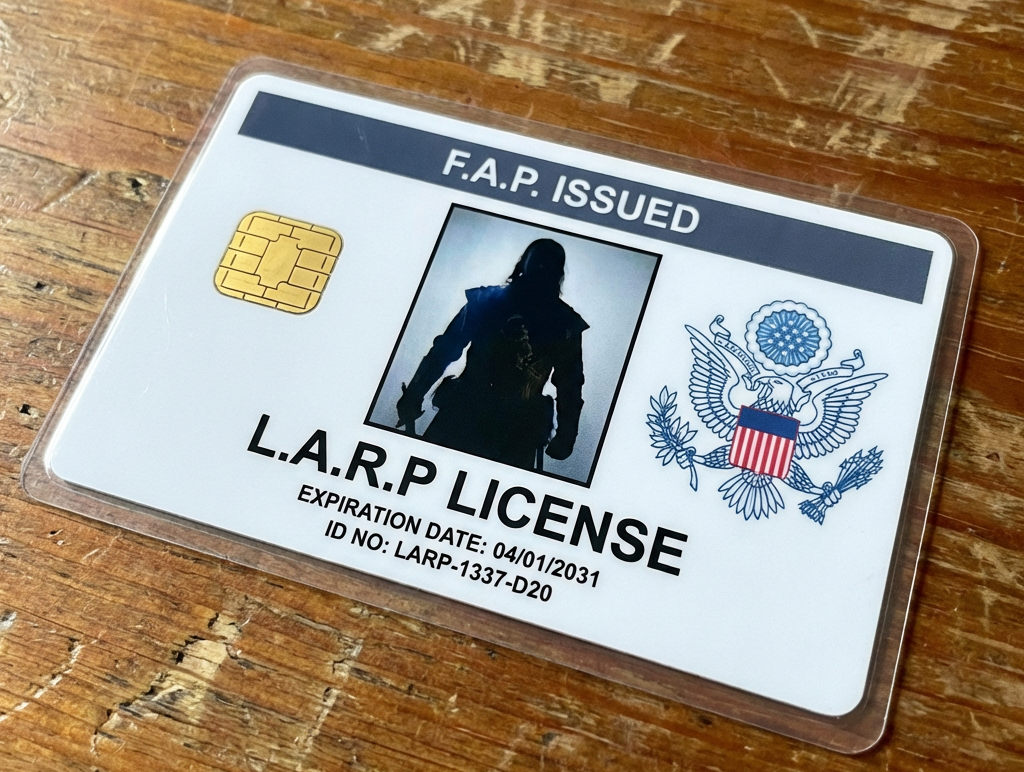
Supporters of H.R. 8086 insist the bill represents a pragmatic compromise between total transparency and unchecked personal freedom. “Privacy isn’t being taken away,” one spokesperson clarified. “It is being organized.” Critics, however, have raised concerns about accessibility, affordability, and whether requiring citizens to justify their desire for privacy might defeat the concept entirely. Still, with momentum building in Congress, Americans may soon find themselves asking not whether they value privacy, but, whether they’ve properly applied for it.
